
Innovative Ways to Boost Your Bountiful Harvest
Every gardener is familiar with the need to prepare soil, plant seeds, and provide water and fertilizer to enable the seeds to germinate and grow into beneficial plants. Weeding and pest control similarly are well understood, but many don’t know how to make their harvests more bountiful and get even more from their gardens.
Whether you plant fruits, vegetables, flowers, or other types of plants for eventual harvest, here are some innovative ways that you might consider for boosting your bountiful harvest.
Grow Mutually Beneficial Plants Together
Many plants can provide benefits for other types of plants that in turn offer benefits for the other plants. Planting mutually beneficial plants near each other can help both to grow better and produce more fruit, vegetables, or flowers.
For example, marigolds can help keep pests away from vegetables. Vegetable plants in turn can produce flowers and other parts that die quickly, fall to the ground, and nourish it while decomposing. The symbiotic relationship benefits the marigolds and vegetable or fruit plants alike and helps each to grow and produce more fruits, vegetables, and flowers.
Consider Using Hydroponics and Similar Growing Techniques
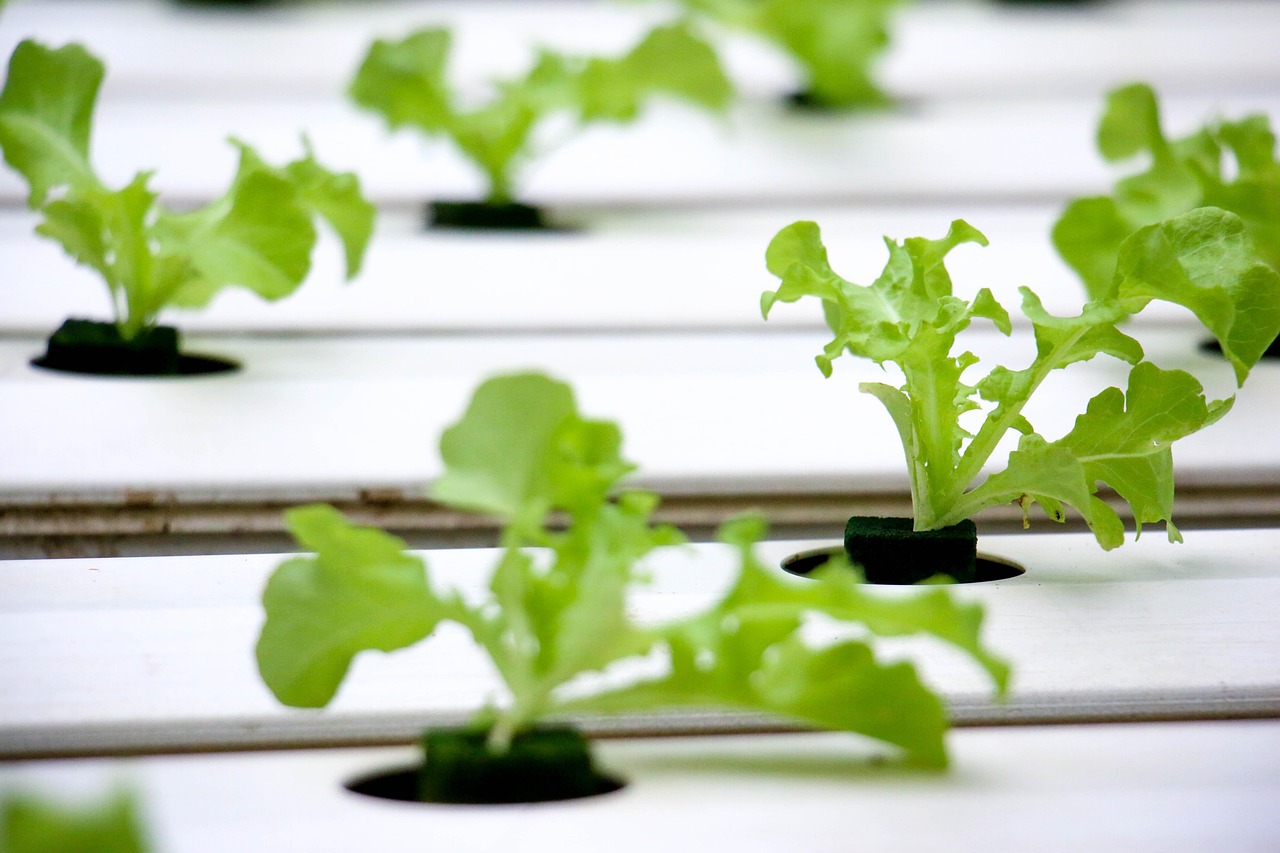
You don’t have to have soil to grow some plants, but you always will need water. Hydroponics and aquaponics are two ways to grow plants without soil. Instead, you use water in which you have placed additional nutrients to feed the plants and enable them to germinate and grow. If you ever have cut the top off of a carrot and placed it in a cup of water to get it to grow again, you know how hydroponics and aquaponics work.
Such growing techniques are especially helpful in apartments and condominiums where container gardening is possible, but you can’t plant a garden in the ground. They also are terrific for getting plants ready to replant in the ground after the initial hydroponics or aquaponics techniques turn old plants into new ones that are ready to mature by planting them in your outdoor garden.
Compost Waste to Fertilize Plants

Composting is a great way to get rid of your food-based household waste and produce quality natural fertilizer for your garden’s plants. You can make or buy a composting box in which you can place a mix of soil, leaves, straw, food waste, and other items that otherwise would rot and decompose in a landfill.
The decomposition of natural materials, like leaves, straw, and food waste, produces nutrients that saturate the soil inside the composting box. You can use that soil to nourish your plants and get them to grow faster and produce more fruits and vegetables. You also can add earthworms to your compost pile and if you enjoy fishing use them for bait. Meanwhile, the worms can feed on the composting materials and leave behind beneficial worm waste that adds more nutrients to the compost.
Use Mulch to Protect Soil and Hold Moisture

Wood chips and straw are two of the most common types of mulch used for lawns, gardens, trees, and other plants. They work great for shading the soil from the hot sun and holding moisture in place for more hours each day.
Mulch also helps prevent the spread of weeds and other invasive plants and can add nutrients to the soil as the mulch beds slowly decompose over time. You should consider using wood chips or straw to create mulch beds around your garden plants to help them grow into stronger and healthier plants that produce more flowers, fruits, and vegetables.
Now that you have some better ideas for growing more without having to plant more ground, you can get started on improving your annual harvests and put more food on your table.