
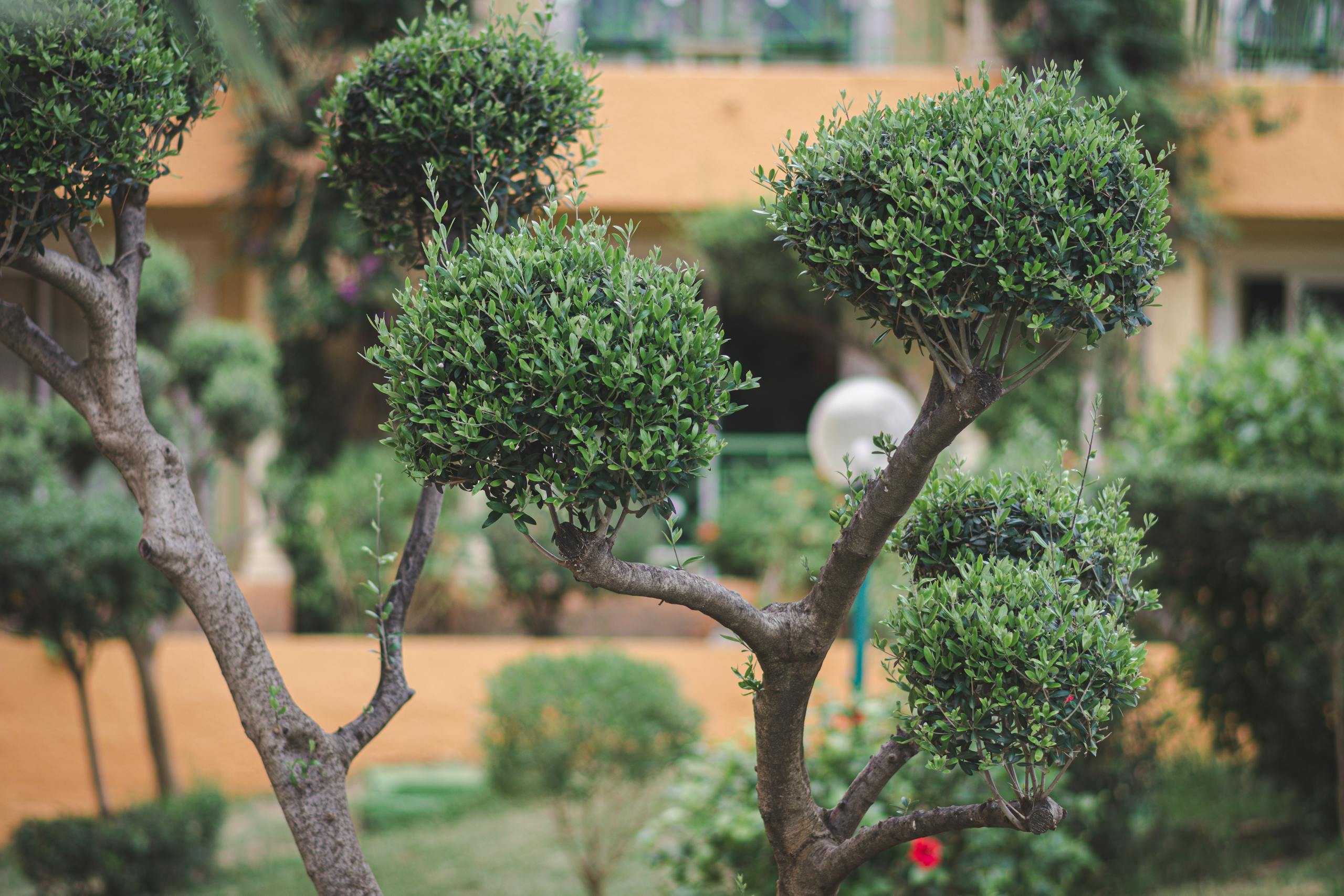
Guide to How and When to Prune Trees and Shrubs
Keeping your garden fresh and thriving requires regular watering, occasional feeding, and just the right amount of light. However, keeping things healthy also means taking a pair of garden shears to those plants every once in a while.
But when do you prune your plants? And how do you do it? Is it in the fall when all the leaves drop off, and the plants go dormant for the winter? Is it best handled in the spring after the worst weather of the winter is behind us?
Don’t worry; it’s not too difficult to figure out when to prune your trees and shrubs, and unless you get a little too crazy with the scissors, you likely won’t cause any permanent harm to the plant that can’t be undone in a year or so with some new growth.
Preparing to Prune Your Plants: Getting Your Tools Ready

A clean and sharp pruning tool will always work best for pruning, whether you’re snipping a few small branches off a small bush in front of your house or you’re reaching up to trim some of the branches of your young tree.
If you take a look at your local garden center, you’ll probably find a variety of different implements that range from little hand-held gardening shears to motor-driven cutting apparatuses that require a power source or a battery.
The key here isn’t necessarily having the perfect tool for the job but rather having a tool that is hygienic and clean before you start your pruning job. If you use dirty gardening shears, your pruning efforts could result in your tree or bush getting a disease, so make sure to disinfect your shears before you prune.
How Do You Prune a Bush or Tree?
Pruning a bush or tree is a lot like cutting hair. It’ll always grow back, even if you cut a little too much off the plant. While you should likely avoid cutting a significant amount off young plants, don’t worry if you accidentally cut too much of a branch off or make a weird shape out of one of your plants.
The good news is that the plants will grow back. You can follow these general steps for pruning and renewing most types of trees and shrubs:
- Identify dead branches. If there’s a broken branch or limb that’s not doing too well, consider removing it. You can usually tell if a branch is damaged beyond repair if all the leaves have started dying despite the rest of the bush still retaining its leaves.
- Step back and shape. Take a few steps back from your plant and figure out how you’ll shape the plant. Each time you make a few cuts, step back and make sure you’re not going too far with the cuts or making the shape too uneven.
- Clear out congested areas. A dense plant might not get enough airflow and sunlight in its inner reaches and grow unevenly. If the plant has thick areas where leaves and branches are starting to converge and tangle, consider thinning those areas out to improve airflow and light.
- Don’t go overboard. It’s pretty easy to get carried away and cut too much, which isn’t the end of the world, but it’s definitely something you can avoid. Making sure to step away after every few cuts will help you figure out when you’ve cut enough.
What Season Do You Prune Bushes and Trees?
- Spring: Some bushes enjoy a trim in the early spring before they start growing and producing new leaves. You’ll normally wait until the coldest winter weather is behind you before taking your shears to these plants.
- Summer: It’s unusual to conduct any significant pruning in the summer, but you may want to cut back some dead flowers on your flowering plants. Called “deadheading,” removing the dead blossoms from a tree or bush can help the plant focus its energy on continued growth.
- Fall: Autumn is a good time to allow plants to rest before their winter sleep, and it’s best to avoid pruning in the fall unless you need to take care of a broken limb or damage. Plants are vulnerable after pruning, and pruning in the fall can make it difficult for plants to recover in time for colder temperatures.
- Winter: Most trees and shrubs tend to fare best when they’re pruned in the winter because many species are dormant and aren’t actively growing. If you prune in the winter, wait until late winter when growth is likely at its slowest but before any new growth has begun.
Extra Tips to Make Your Pruning Project a Success
Do a Search
An internet search for details about your specific type of bush or tree is never a waste of time, especially when it comes to pruning. You might find that your lilac bush is best pruned in the early spring before it produces flowers, but your apple tree is best pruned in the winter when it’s dormant.
Wait for the Perfect Time
Try to avoid pruning in the middle of severe weather. If you’re expecting a snowstorm, you might want to reschedule your winter pruning. Waiting a few extra weeks usually won’t hurt. Similarly, don’t stress plants needlessly in the summer by cutting them too much when there’s a heatwave.
Wear Protective Gear

Even if you’re using a rather old pair of gardening shears, it’s always best to wear some gloves while you’re pruning. Always put pets away while you prune, and try to make sure your working environment is as calm as possible so you can concentrate on the cutting.
As always, take it slow and make a plan before you head out with your pruning shears. Don’t be afraid to make some big cuts, but feel free to stop at any time if you feel like you’re cutting too much. It may take a few sessions for you to get comfortable with the process, and that’s just fine!